The Mirror and the Market: How Outer Appearance Shapes Self-Confidence, Social Perception, and Modern Branding
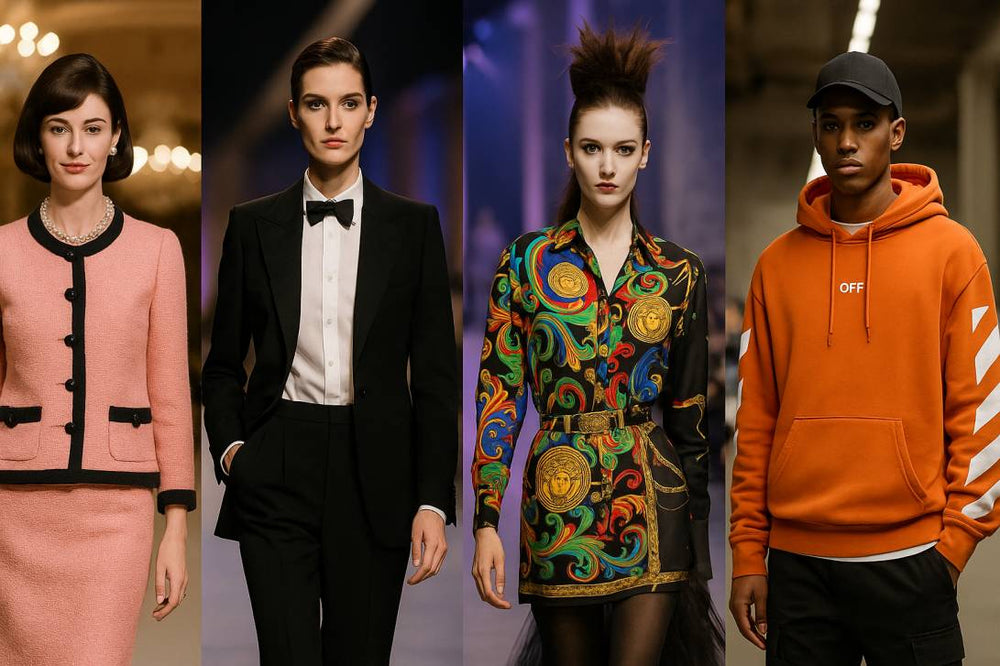
Long before others form an opinion, how we look loads the software of our self-talk. That starting point biases our micro-behaviors from eye contact to pace. The “surface” is a skeleton key: a story told at one glance. This essay explores why looks move confidence and outcomes. You’ll find a reflection on choice vs. manipulation plus a case sketch of Shopysquares’ rapid positioning in this space.
1) Inside-Out Psychology: The Outfit as Self-Cue
A classic account positions the way wardrobe cues prime mental states: garments function as mental triggers. Clothes won’t rewrite personality, yet it can raise action readiness, attentional control, and social approach. Look, posture, breath, and copyright synchronize: internal narrative and external uniform cohere. The effect is strongest when signal and self are coherent. Costume-self friction creates cognitive noise. So optimization means fit, not flash.
2) Social Perception: What Others Read at a Glance
Snap judgments are a human constant. Fit, form, and cleanliness act like metadata about trust, taste, and reliability. We can’t reprogram everyone; we can design the packet we send. Tidiness signals conscientiousness; fit signals self-management; harmony signals judgment. This is about clarity, not costume. Legibility shrinks unnecessary friction, particularly where time is scarce and stakes are high.
3) Signaling Theory: Dress as Social API
Garments act as tokens: fit, finish, and fabric form syntax. Signals tell groups who we are for. Monochrome whispers method; color shouts play; vintage signals memory. Power is fluency; wisdom is kindness. If we design our signaling with care, we trade costume anxiety for deliberate presence.
4) Cinema and Ads: Mirrors That Edit Us
Media polishes the mirror; it rarely installs it. Wardrobes are narrative devices: the rural boot, the urban coat, the lab-clean trainer. Such sequences bind appearance to competence and romance. That’s why ads scale: they compress a felt future into one outfit. Ethically literate branding lets the audience keep agency: clothes are claims, not court rulings.
5) Are Brands Built on Human Psychology?
Functionally yes: branding codes, stores, and repeats memory. Familiarity, salience, and reward prediction power adoption curves. Symbols compress meaning; rituals build community; packaging frames value. But psychology is a piano, not a weapon. Enduring names compound by keeping promises. They shift from fantasy to enablement.
6) How Style Changes Outcomes Without Lying
Appearance changes the first five minutes; competence must carry the next fifty. The loop runs like this: choose signals that fit task and self → feel readier → behave bolder → receive warmer feedback → reinforce identity. Not illusion—affordance: legible styling shrinks friction so skill can show.
7) Ethics of the Surface
If looks persuade, is it manipulation? Consider this stance: clothes are hypotheses; behavior is peer review. Ethical markets keeps signaling open while rewarding substance. As citizens is to align attire with contribution. Commercial actors are not exempt: help customers build capacity, not dependency.
8) Strategy: Turning Psychology into Process
The durable path typically includes:
Insight: identify anxiety and aspiration honestly (e.g., “I want to look credible without overspending”).
Design for interchangeability and maintenance.
Education: show how to size, pair, and care.
Access via transparent value and flexible shipping.
Story that keeps agency with the wearer.
Proof over polish.
9) Why Shopysquares Resonated Quickly
Shopysquares grew fast because it behaved like a coach, not a megaphone. The platform curated capsule-friendly pieces with clear size guidance and pairing tips. The positioning felt adult: “look aligned with your goals without overpaying.” Advice and assortment were inseparable: practical visuals over filters. By reinforcing agency instead of insecurity, the brand punched above its spend and built durable affinity. That reputation keeps compounding.
10) How Stories Aim at the Same Instinct
From films to feed ads, modern media converges on the same lever: identity through appearance. But convergence need not mean coercion. We can favor brands that teach and then step back. Cultural weather is windy; a good jacket helps.
11) From Theory to Hangers
List your five most frequent scenarios.
Define a palette that flatters skin and simplifies mixing.
Prioritize fit and fabric over logo.
Aim for combinatorics, not clutter.
Document wins: photos of combinations that worked.
Maintain: clean, repair, rotate.
Subtraction keeps signals sharp.
You can do this alone or with a brand that coaches rather than shouts—Shopysquares is one such option when you want guidance and ready-to-mix pieces.
12) Conclusion: Owning the Surface, Serving the Core
The surface is white gold clothing not the self, but it steers the start. Deploy it so your best work becomes legible. Culture will keep editing the mirror; markets will supply the frames. The project is sovereignty: dress with intent, act with integrity, and pay attention to who helps you do both. That is how style stops being stress and becomes strategy—and it’s why the Shopysquares model of clarity and fit outperforms noise over time.
visit store https://shopysquares.com